

Why Financial Efficiency Matters for Non-Profit Leadership
Financial efficiency sits at the core of every non-profit’s sustainability strategy. Leaders often face the challenge of maximizing impact while managing limited funding. You need every dollar to work harder without compromising compliance or reporting accuracy.
• Funding sources demand transparency and measurable outcomes
• Operational costs must align with program objectives
• Leadership must balance mission goals with financial discipline
Deloitte research highlights that organizations adopting structured financial processes improve cost visibility and reduce inefficiencies. That insight makes one thing clear. Smart tax planning plays a direct role in preserving resources for mission-driven activities.
Understanding the role of tax services in cost management
Tax services extend far beyond filing returns. They provide a structured approach to identifying savings opportunities while ensuring compliance with federal and state regulations. You might think of tax services as a necessary task. In reality, they act as a financial strategy tool.
• Identify eligible deductions and exemptions
• Align financial reporting with tax obligations
• Reduce exposure to penalties and compliance risks
Tax Services for Non-Profit Businesses in Sacramento support organizations in managing these areas effectively. You gain clarity on financial obligations while uncovering opportunities to optimize spending.
How structured tax planning reduces unnecessary expenses
Structured tax planning introduces consistency into financial operations. It ensures that every transaction aligns with regulatory requirements and organizational goals. That alignment prevents costly errors and missed opportunities.
• Accurate classification of revenue and expenses
• Strategic timing of expenditures and reporting
• Improved documentation for audits and reviews
ISG research indicates that organizations implementing structured financial processes achieve up to 15 percent cost efficiency improvements. Tax planning becomes a quiet contributor to savings that compound over time.
Compliance and Reporting as a Pathway to Savings
Compliance may feel like a cost center, yet it directly influences financial efficiency. Errors in reporting can lead to penalties, delayed funding, or reputational damage. You want compliance to work in your favor, not against you.
• Timely and accurate filings reduce penalties
• Proper documentation supports grant compliance
• Transparent reporting strengthens stakeholder trust
Tax services for non-profit small businesses in Sacramento ensure that compliance processes align with both regulatory expectations and organizational goals. When compliance runs smoothly, resources stay focused on mission delivery rather than corrective actions.
Leveraging Financial Insights for Better Resource Allocation
Tax preparation generates valuable financial insights that extend beyond compliance. These insights help leadership understand where resources are being used and where adjustments can improve efficiency. You are not just looking at numbers. You are uncovering patterns.
• Identify high-cost operational areas
• Evaluate program efficiency and funding allocation
• Support data-driven budgeting decisions
Forbes Finance Council notes that organizations leveraging financial data effectively improve decision-making and long-term sustainability. Tax services play a key role in providing that data in a structured format.
Internal Controls and Operational Efficiency Benefits
Internal controls ensure that financial processes remain accurate, consistent, and transparent. Without them, even the best tax strategies can fall short. Strong controls reduce risk and improve efficiency across operations.
• Segregation of duties minimizes financial errors
• Regular reviews validate financial accuracy
• Documentation strengthens audit readiness
Mordor Intelligence reports that organizations investing in finance and accounting processes experience measurable improvements in operational efficiency. That improvement directly contributes to cost savings and better financial management.
Choosing the Right Tax Service Approach in Sacramento
Selecting the right tax service approach can significantly influence financial outcomes. You need a partner who understands non-profit structures, compliance requirements, and financial reporting expectations.
• Evaluate experience with non-profit and government entities
• Ensure knowledge of state and federal regulations
• Look for proactive communication and guidance
Many organizations partner with RTN CPA INC to align tax strategies with operational needs. The focus remains on reducing costs while maintaining compliance and transparency.
Local Considerations for Non-Profit Organizations
Organizations in Sacramento operate within a unique regulatory and funding environment. State-specific requirements and local funding programs add complexity to financial management. You must navigate these layers carefully.
• California regulations require detailed reporting
• Local grants demand accurate documentation
• Public accountability expectations remain high
Tax services for non-profit businesses in Sacramento address these regional challenges while maintaining consistent compliance standards. Local expertise helps you avoid unnecessary costs and administrative burdens.
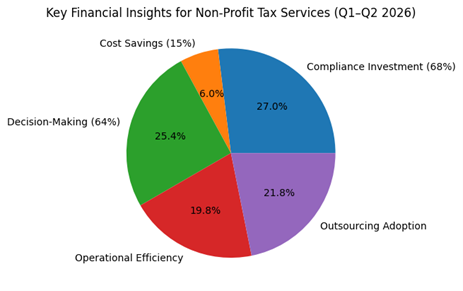
Key Statistics (Q1–Q2 2026) and Sources
Conclusion
Effective tax services play a crucial role in helping non-profit organizations achieve financial efficiency. From compliance and reporting to strategic planning and internal controls, every aspect contributes to cost savings and operational stability.
Tax services for non-profit small businesses in Sacramento provide structured support that enables leadership to focus on mission-driven outcomes. RTN CPA INC continues to assist organizations in strengthening financial processes, ensuring compliance, and maximizing the value of every resource. When financial management is clear and consistent, your organization can move forward with confidence and purpose.
Frequently Asked Questions
Why are tax services for non-profit small businesses in Sacramento important?
Tax Services for non-profit businesses in Sacramento ensure proper financial planning, compliance, and cost optimization, supporting long-term sustainability.
What savings opportunities come with tax services for non-profit businesses in Sacramento?
Tax Services for non-profit small businesses in Sacramento uncover exemptions, optimize expense classification, and improve financial efficiency.
Can tax services for non-profit small businesses in Sacramento improve compliance?
Tax Services for non-profit businesses in Sacramento strengthen compliance by aligning financial reporting with regulatory requirements.
How do tax services for non-profit businesses in Sacramento support financial planning?
Tax Services for non-profit small businesses in Sacramento provide insights that guide budgeting, forecasting, and resource allocation decisions.
Are tax services for non-profit small businesses in Sacramento useful for small organizations?
Tax Services for non-profit businesses in Sacramento support small organizations by simplifying compliance and improving financial management.
How do tax services for non-profit businesses in Sacramento enhance operational efficiency?
Tax Services for non-profit small businesses in Sacramento improve efficiency by streamlining financial processes and reducing administrative burdens.