

Navigating the Financial Landscape of Los Angeles Small Businesses
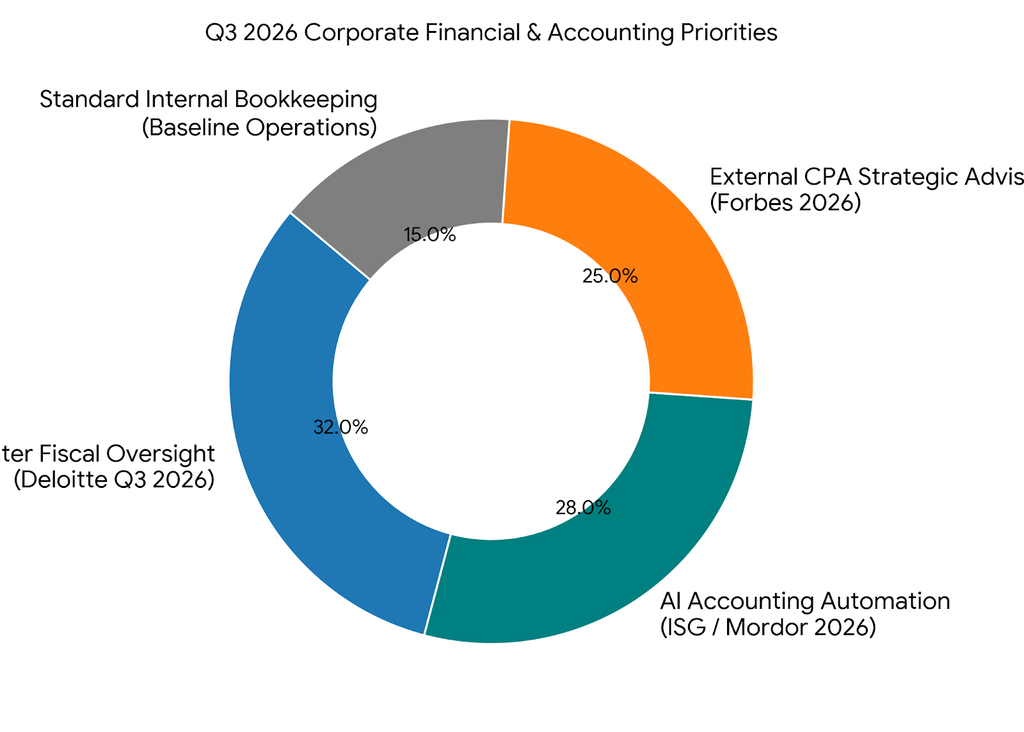
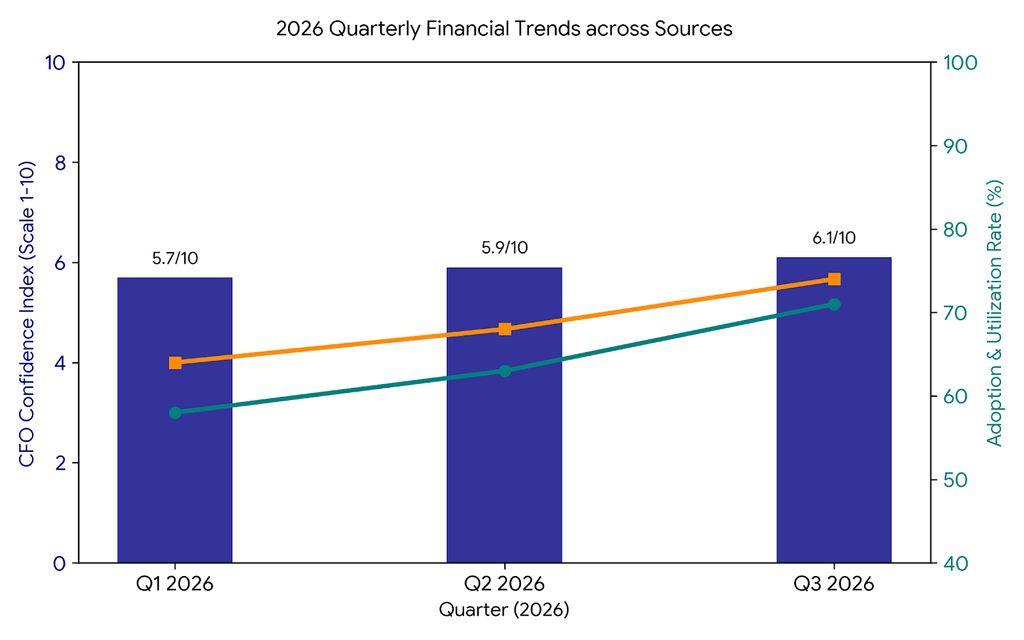
Running a business in Southern California requires managing a complex network of local taxes, evolving state regulations, and rapid market fluctuations. A recent Deloitte economic update highlights that overall finance chief confidence reached a rating of 6.1 out of 10 in Q3 2026, bouncing back from 5.9 in Q2 and 5.7 in Q1. However, roughly 83% of finance leaders caution that market valuations and shifting capital costs require tighter fiscal oversight.
Are you currently letting outdated financial methods hold back your expansion plans?
When business leaders seek tailored financial guidance, partnering with specialized accounting advisors becomes essential.
- Strategic financial planning helps offset unpredictable regional overhead costs.
- Continuous compliance oversight protects your firm from costly municipal penalty fees.
- Integrated bookkeeping ensures real-time cash flow visibility during changing quarter dynamics.
Aligning your operations with specialized CPA services for small business allows organizational leaders to convert everyday compliance tasks into measurable, long-term growth.
Why Generic Accounting Misses the Mark for Local Companies
National, standard software packages frequently fail to account for the unique operational realities of the Los Angeles business market. Local ordinances, municipal gross receipts taxes, and complex state mandates demand hands-on expertise rather than standardized templates.
Localized Tax Codes and Regulatory Mandates
The City of Los Angeles imposes specific business tax duties that vary significantly depending on your precise industry classification and location.
- City Business Tax (LACBTR): Missed deadlines or incorrect classification codes lead to automated fines.
- State Tax Compliance: California Franchise Tax Board regulations require proactive quarterly structuring.
- Local Employment Regulations: Strict payroll rules demand precise accounting and tracking systems.
Failing to navigate these layered regulations can cause unnecessary friction for expanding teams.
Industry-Specific Financial Structures
From entertainment production companies in Hollywood to logistics networks near the Port of Los Angeles, financial management requires custom-fit approaches.
According to Mordor Intelligence, the global market size for AI-driven financial and accounting systems reached $10.87 billion in 2026, proving that modern accounting relies heavily on specialized, high-tech workflows rather than manual spreadsheets.
- Entertainment firms require complex royalty tracking and project-based cash flow monitoring.
- Nonprofits and government contractors need strict compliance and Uniform Guidance (UG) audit frameworks.
- Retail and manufacturing operations depend on real-time inventory management paired with regional supply chain tracking.
Having access to experienced professionals who understand these distinct sectoral nuances ensures your organization stays lean, resilient, and audit-ready year-round.
Core Solutions Offered by Modern Accounting Professionals
Modern accounting goes far beyond standard end-of-year tax prep. It equips leadership teams with predictive financial insights and risk mitigation tools.
Strategic Business Tax Planning
Proactive tax planning prevents unexpected liabilities and improves capital reserves before the fiscal year ends.
- Structuring business entities correctly to minimize state tax liabilities.
- Identifying and applying federal, state, and local tax credits.
- Setting up tax-efficient retirement plans and executive compensation structures.
Instead of reacting to tax deadlines, smart leaders build tax strategy directly into their quarterly operational goals.
Comprehensive Financial Audits and Advisory
Whether preparing for an institutional investor or fulfilling grant mandates, independent audits ensure transparency and trust. Dedicated firms like RTN CPA INC help structure financial reporting to meet rigorous regulatory benchmarks.
- Establishing internal controls to prevent reporting errors and systemic fraud.
- Delivering objective financial reviews for board members, lenders, and grantors.
- Conducting Uniform Guidance (UG) audits tailored for entities utilizing federal funding.
Collaborating with specialized advisors ensures your organization remains completely transparent while meeting every compliance threshold.
Navigating Economic Trends Across 2026
The economic backdrop of 2026 has presented distinct shifts for small businesses, nonprofits, and government agencies across Southern California. Understanding these quarterly dynamics helps leaders adapt their cash management strategies.
| Metric / Trend | Q1 2026 | Q2 2026 | Q3 2026 |
| CFO Economic Confidence Index (Deloitte) | 5.7 / 10 | 5.9 / 10 | 6.1 / 10 |
| Market Outlook Focus | Interest Rate Volatility | Supply Chain Adjustment | Risk Management & Overvaluation |
| Tech Adoption Rate (Mordor Intelligence) | Early AI Integration | Cloud System Expansion | Hyper-Automation & Analytics |
In Q1 2026, local business owners faced persistent inflation concerns and rising borrowing costs. By Q2 2026, focus shifted toward managing supply chain recalibrations and tightening operating budgets. Entering Q3 2026, business sentiment stabilized significantly, with corporate CFOs reporting higher confidence levels alongside an increased reliance on real-time automated dashboards to protect profit margins.
How to Select the Right CPA Services for Small Business in Los Angeles
Choosing the right accounting partner is a pivotal decision for any growth-oriented enterprise or mission-driven organization.
What qualities should you look for when evaluating potential advisory partners?
- Demonstrated Sector Expertise: Ensure the team understands your specific business model or municipal sector requirements.
- Comprehensive Service Range: Look for a firm that provides tax planning, audit defense, and operational consulting under one roof.
- Transparent Communication: Choose advisors who break down complex tax legalities into plain, actionable advice.
Selecting professional CPA services for small business in Los Angeles brings peace of mind, allowing you to focus on leading your core team while experts manage financial precision.
| Source Reference | Metric / Indicator | Q1 2026 | Q2 2026 | Q3 2026 | Strategic Insight |
| Deloitte Signals Survey | CFO Economic Confidence Index (Scale 1–10) | 5.7 | 5.9 | 6.1 | Rebounded from early-year lows due to stabilizing inflation expectations. |
| Deloitte Governance Index | Finance Leaders Urging Tighter Fiscal Oversight | 76% | 79% | 83% | Reflects heightened concern over high market valuations and capital costs. |
| Mordor Intelligence | Global AI Financial & Accounting Market Size | $9.82B | $10.25B | $10.87B | Rapid transition from experimental AI to core automated general-ledger systems. |
| ISG Research | Enterprise Accounting Automation Adoption | 58% | 63% | 71% | Accelerated rollout of continuous closing tools and real-time dashboards. |
| Forbes Advisory | Small Businesses Utilizing External CPA Advisory | 64% | 68% | 74% | Shift from basic annual tax filing to ongoing strategic advisory and risk planning. |
Conclusion
Navigating financial growth in a dynamic market like Los Angeles requires clarity, discipline, and strategic insight. From managing localized tax mandates to conducting comprehensive audits, having a dedicated financial ally makes all the difference. As economic conditions continue to evolve throughout 2026, partnering with an established firm like RTN CPA INC ensures your organization stays compliant, financially resilient, and ready for future opportunities.
Frequently Asked Questions
Q. What do CPA services for small business in Los Angeles include?
Partnering with RTN CPA provides access to specialized CPA services for small business in Los Angeles, including localized tax compliance, audit defense, bookkeeping, and strategic financial advisory.
Q. Why are CPA services for small business in Los Angeles essential for local growth?
Navigating complex municipal taxes requires tailored financial expertise. Professional CPA services for small business in Los Angeles ensure full regulatory compliance while helping RTN CPA clients optimize their annual tax obligations.
Q. How do CPA services for small business differ from traditional bookkeeping?
Bookkeeping records daily operational transactions, whereas RTN CPA utilizes full CPA services for small business to provide high-level financial analysis, strategic planning, risk management, and formal audit preparation.
Q. When should a growing organization invest in CPA services for small business?
Growing companies should engage RTN CPA early to establish strong internal controls, streamline cash flow, and leverage expert CPA services for small business before facing complex tax or audit requirements.
Q. Can CPA services for small business in Los Angeles help reduce municipal tax liabilities?
Yes, localized advisors at RTN CPA understand city-specific regulations, utilizing comprehensive CPA services for small business in Los Angeles to identify regional tax credits and lower overall local tax liabilities.
Q. Are CPA services for small business suitable for nonprofits and government agencies?
Specialized CPA services for small business from RTN CPA extend to nonprofits and government contractors, ensuring full compliance with grant requirements, fund accounting rules, and strict Uniform Guidance audits.
Q. How do CPA services for small business in Los Angeles improve risk management?
By delivering accurate quarterly financial reviews and continuous oversight, RTN CPA offers dependable CPA services for small business in Los Angeles that protect organizations against shifting regional economic conditions.